The hygiene industry is undergoing a fundamental shift. Across Europe, the Middle East, and beyond, procurement managers are no longer evaluating suppliers on price and lead time alone — they are demanding sustainable hygiene products that meet rigorous environmental and ethical standards. For pharmacies, nursing homes, hospitals, and retail chains, sustainability is no longer a differentiator; it is a baseline expectation. In 2026, B2B buyers who fail to adapt risk losing tenders, alienating end-consumers, and falling behind increasingly strict regulatory frameworks.
This guide examines what wholesale buyers should look for, which certifications matter, and how to build a greener procurement strategy without sacrificing quality or margin.
Why Sustainable Hygiene Products Matter More Than Ever
The global disposable hygiene market generates millions of tonnes of post-consumer waste annually. Incontinence pads, adult pants, baby nappies, and sanitary products — the very categories that pharmacies and care facilities purchase in bulk — represent a significant share of non-recyclable landfill waste. Regulatory bodies are responding. The EU Health Commission has tightened its Ecodesign for Sustainable Products Regulation (ESPR), and public procurement directives across EU member states now include mandatory green criteria for healthcare and hygiene tenders.
Regulatory Pressure Is Accelerating
In 2026, Extended Producer Responsibility (EPR) schemes for absorbent hygiene products are expanding across France, Italy, and the Netherlands, with Greece and other markets expected to follow. Buyers who source from suppliers already compliant with these frameworks avoid costly last-minute supply chain adjustments.
End-Consumer Demand Is Real
A 2025 Euromonitor study found that 68% of European consumers consider environmental impact when choosing hygiene products — even in categories traditionally seen as purely functional, such as adult incontinence. Nursing homes and hospital procurement teams report growing pressure from residents’ families and patient advocacy groups to demonstrate eco-conscious purchasing.
Key Certifications and Standards for Sustainable Hygiene Products
Not all sustainability claims are equal. Greenwashing remains prevalent in the hygiene sector, and B2B buyers must know which certifications carry genuine weight.
Certifications Worth Demanding
- EU Ecolabel: The gold standard for products sold within the European Economic Area. Covers absorbent hygiene products with strict criteria on raw material sourcing, manufacturing emissions, and end-of-life impact.
- FSC / PEFC: For fluff pulp and tissue-based products, Forest Stewardship Council or Programme for the Endorsement of Forest Certification guarantees responsibly managed forestry.
- OEKO-TEX Standard 100: Verifies that textiles and nonwovens (topsheets, backsheets) are free from harmful substances — critical for products in direct skin contact with elderly or neonatal patients.
- ISO 14001: Confirms the manufacturer operates an environmental management system. Look for this at the factory level, not just the brand level.
- Dermatologically tested / hypoallergenic: While not strictly environmental, these certifications signal a commitment to reducing chemical additives — fewer chemicals means a cleaner production process.
What to Watch Out For
Vague claims such as “eco-friendly” or “natural” without third-party verification should raise red flags. Always request certification documentation and audit reports directly from your supplier. Reputable partners like EASYCARE HYGIENE PRODUCTS maintain full traceability from raw material to finished product and can provide documentation upon request.
Materials and Innovation: What Is Changing in Eco Hygiene Products
The innovation pipeline for eco hygiene products has matured significantly. What was experimental five years ago is now commercially viable at wholesale scale.
Bio-Based and Renewable Materials
Leading manufacturers are replacing petroleum-derived superabsorbent polymers (SAP) with bio-based alternatives sourced from agricultural waste. Similarly, backsheets made from plant-based polyethylene and topsheets from sustainably sourced viscose are entering mainstream production.
Reduced-Weight Engineering
Modern product engineering delivers equivalent absorbency with 15–20% less material per unit. For B2B buyers, this translates directly into lower freight costs per CBM, reduced warehousing volume, and a measurably smaller carbon footprint per case shipped.
Compostable and Recyclable Packaging
Packaging accounts for a significant portion of hygiene product waste. Progressive suppliers now offer polybags made from post-consumer recycled (PCR) plastic, kraft paper outer cases, and soy-based inks. When evaluating green B2B hygiene suppliers, packaging should be part of the conversation from the first inquiry.
The Business Case for Green B2B Hygiene Procurement
Sustainability is not a cost centre — it is a competitive advantage. Here is why procurement managers should treat it as a strategic priority.
Winning Public Tenders
Public hospitals, municipal care facilities, and government-funded nursing homes across the EU now weight sustainability criteria at 15–30% in tender scoring. Stocking sustainable hygiene products from certified suppliers can be the difference between winning and losing a contract worth tens of thousands of euros annually.
Reducing Total Cost of Ownership
Lighter products mean lower shipping costs. Consolidated packaging means fewer deliveries. Longer shelf-life formulations mean less waste from expired stock. When calculated across a full year of procurement, these efficiencies frequently offset any modest per-unit price premium.
Brand and Reputation
For pharmacy chains and retail distributors, carrying demonstrably sustainable product lines strengthens brand positioning with increasingly environmentally aware consumers. The WHO has repeatedly emphasised the link between environmental health and public health outcomes, reinforcing the reputational value of green procurement in healthcare settings.
How to Evaluate Suppliers of Sustainable Hygiene Products
Choosing the right wholesale partner requires more than scanning a catalogue. Here is a practical evaluation framework for B2B buyers.
Five Questions to Ask Every Supplier
- 1. What percentage of your product range holds EU Ecolabel or equivalent certification? — A committed supplier should have a clear roadmap, even if not every SKU is certified today.
- 2. Can you provide a carbon footprint assessment per product line? — Transparency here signals genuine investment in sustainability.
- 3. What is your packaging strategy for 2026–2028? — Look for concrete targets: “50% PCR content by Q4 2027” is meaningful; “we are exploring options” is not.
- 4. Do you support take-back or circular economy programmes? — Some manufacturers now partner with waste management firms for post-consumer collection, particularly in Northern Europe.
- 5. How do you ensure ethical labour practices across your supply chain? — Sustainability extends beyond materials. SEDEX or SA8000 audits demonstrate social responsibility.
EASYCARE HYGIENE PRODUCTS works with European manufacturers who hold FSC, OEKO-TEX, and ISO 14001 certifications across their adult incontinence, baby care, and tissue product lines. As a wholesale partner serving pharmacies, nursing homes, and export buyers across Europe and the Middle East, EASYCARE provides full product documentation, competitive EXW pricing, and dedicated supply chain support.
Conclusion: Act Now or Fall Behind
The transition to sustainable hygiene products is not a trend — it is a structural shift driven by regulation, consumer expectation, and economic logic. B2B buyers who embed sustainability criteria into their procurement processes today will secure better tender outcomes, stronger margins, and more resilient supply chains in the years ahead.
Whether you are sourcing adult incontinence products, baby nappies, tissue, or sanitary care for wholesale distribution, EASYCARE HYGIENE PRODUCTS is your partner for certified, competitively priced, and sustainably produced hygiene solutions.
Ready to build a greener product range? Visit easycaremarket.gr or contact our wholesale team directly for pricing, certifications, and tailored supply proposals.
Frequently Asked Questions
What are sustainable hygiene products?
Sustainable hygiene products are disposable or reusable personal care items — such as incontinence pads, nappies, and tissue — manufactured using environmentally responsible materials, reduced-impact processes, and certified supply chains. They carry third-party certifications like EU Ecolabel, FSC, or OEKO-TEX and are designed to minimise waste throughout their lifecycle.
Why should B2B buyers prioritise eco hygiene products in 2026?
In 2026, EU regulations including Extended Producer Responsibility (EPR) and updated public procurement directives require or incentivise green purchasing. Buyers who source eco hygiene products gain advantages in public tenders, reduce total cost of ownership through lighter and more efficient products, and meet growing consumer demand for environmentally conscious brands.
How can I verify that a supplier’s green claims are legitimate?
Request third-party certification documents (EU Ecolabel, FSC, ISO 14001, OEKO-TEX), ask for carbon footprint data per product line, and verify factory-level audits. Reputable wholesale partners like EASYCARE HYGIENE PRODUCTS provide full traceability and documentation for every product in their range.
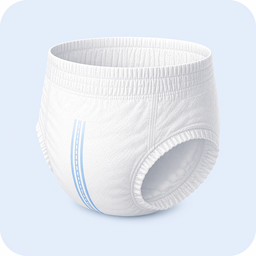 ΠΑΝΕΣ-ΒΡΑΚΑΚΙ ΕΝΗΛΙΚΩΝ
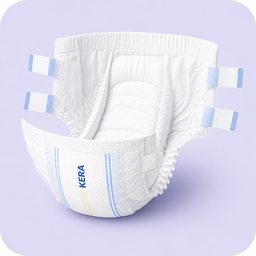 ΠΑΝΕΣ-ΣΛΙΠ ΕΝΗΛΙΚΩΝ
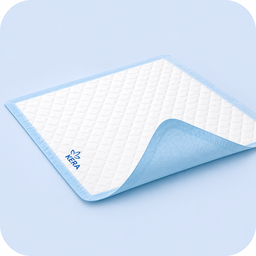 ΥΠΟΣΕΝΤΟΝΑ
 ΓΥΝΑΙΚΕΙΑ ΑΚΡΑΤΕΙΑ
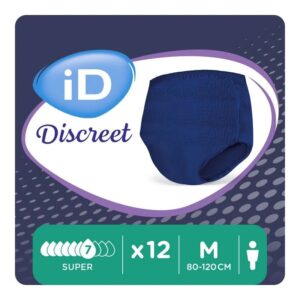 ΑΝΔΡΙΚΗ ΑΚΡΑΤΕΙΑ
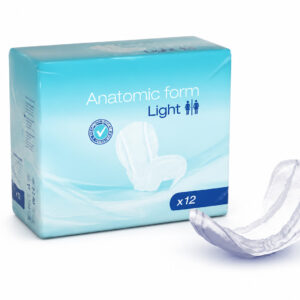 ΑΝΑΤΟΜΙΚΕΣ ΣΕΡΒΙΕΤΕΣ ΑΚΡΑΤΕΙΑΣ SAGOMATO
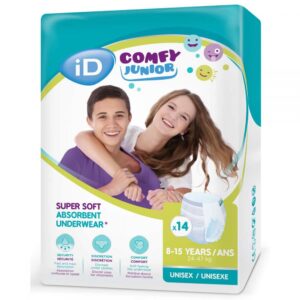 ΠΑΙΔΙΚΗ ΑΚΡΑΤΕΙΑ
 ΥΓΡΑ ΜΑΝΤΗΛΑΚΙΑ
 ΦΡΟΝΤΙΔΑ ΔΕΡΜΑΤΟΣ
 ΒΡΕΦΙΚΕΣ ΠΑΝΕΣ
 ΒΡΕΦΙΚΑ ΒΡΑΚΑΚΙΑ
 ΒΡΕΦΙΚΕΣ ΤΡΟΦΕΣ
 ΧΑΡΤΙ ΥΓΕΙΑΣ / ΧΑΡΤΟΠΕΤΣΕΤΕΣ / ΧΑΡΤΙ ΚΟΥΖΙΝΑΣ
 PET CARE - ΦΡΟΝΤΙΔΑ ΚΑΤΟΙΚΙΔΙΩΝ
 ΜΑΣΚΕΣ ΠΡΟΣΩΠΟΥ