
Procurement of medical incontinence products is one of the most critical yet frequently underestimated responsibilities facing hospital administrators, clinic managers, and nursing home operators today. With an ageing population across Europe and the Middle East driving demand upward every year, healthcare facilities must secure reliable, cost-effective, and clinically validated supplies to maintain patient dignity, prevent secondary complications, and meet increasingly strict regulatory standards. This guide explores everything procurement professionals need to know about selecting, sourcing, and managing hospital-grade incontinence products at scale.

Why Medical Incontinence Management Matters in Clinical Settings
Incontinence affects an estimated 400 million people worldwide, and the prevalence is highest among hospitalised patients and residents of long-term care facilities. According to the World Health Organization (WHO), urinary incontinence is a significant contributor to hospital-acquired skin conditions, including incontinence-associated dermatitis (IAD) and pressure ulcers. Left unmanaged, these complications extend hospital stays, increase treatment costs, and expose institutions to reputational and legal risk.
For procurement managers, the message is clear: choosing the right medical incontinence products is not merely a supply chain decision — it is a clinical outcomes decision. Products that offer superior absorbency, breathable materials, and secure fit directly reduce the burden on nursing staff while improving patient wellbeing.
The Hidden Cost of Low-Quality Products
Facilities that opt for the cheapest available option often encounter higher consumption rates, increased laundry costs, and a rise in skin-integrity incidents. When evaluated on a total-cost-of-ownership basis, clinical grade incontinence products from reputable manufacturers consistently deliver better value per patient per day. This is a principle that experienced procurement teams understand well and one that newer buyers must learn quickly.
Key Product Categories for Hospital Hygiene Supply
A well-structured hospital hygiene supply programme for incontinence management typically includes several complementary product categories. Understanding each category helps procurement teams build formularies that cover every patient profile.
Adult Pull-Up Pants
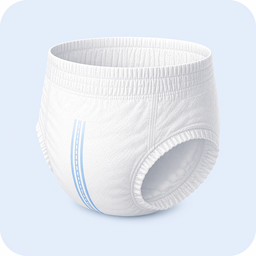
Pull-up pants are ideal for mobile patients and residents who value independence. Available in sizes from small to extra-large, modern pull-ups feature elasticated waistbands, tear-away sides for easy removal, and superabsorbent polymer (SAP) cores that lock fluid away from the skin. Products such as the KERA PANTS range offer absorption levels from 1,200 ml to over 2,400 ml, covering light to heavy incontinence needs.
All-in-One Slips (Briefs with Tabs)
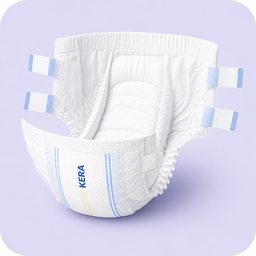
For bed-bound or less mobile patients, all-in-one slips with resealable adhesive tabs provide maximum coverage and security. These products are the workhorse of any clinical incontinence programme, used extensively in intensive care units, geriatric wards, and palliative care settings.
Underpads and Bed Protectors
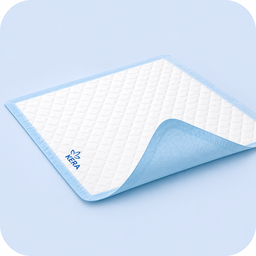
Disposable and reusable underpads serve as a secondary barrier, protecting mattresses, wheelchairs, and seating surfaces. High-quality underpads feature multi-layer construction with a waterproof backing and a soft, non-woven topsheet. The KERA BED range, for example, is available in standard and extra-large sizes to suit different bed dimensions.
Anatomical Pads and Inserts
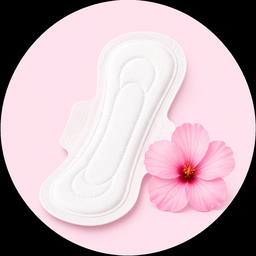
Lighter-weight anatomical pads and inserts are designed for patients with mild to moderate incontinence. These are typically worn with mesh fixation pants and are a cost-effective solution for daytime use, particularly in rehabilitation and outpatient settings.
Regulatory Standards and Clinical Grade Incontinence Compliance
Healthcare facilities operating within the European Union must ensure that all clinical grade incontinence products comply with the EU Medical Device Regulation (MDR 2017/745) where applicable, as well as broader hygiene and safety directives monitored by the European Commission’s Health and Food Safety Directorate. Key compliance considerations include:
- CE marking: All products placed on the EU market must carry valid CE certification, demonstrating conformity with essential health and safety requirements.
- ISO 15621 testing: Absorption capacity and retention under pressure should be tested according to ISO 15621, the international standard for absorbent incontinence aids.
- Dermatological testing: Products in direct skin contact should be dermatologically tested and free from harmful substances such as latex, chlorine, and optical brighteners.
- Sustainability credentials: Increasingly, tenders require evidence of responsible sourcing, reduced plastic content, and recyclable packaging.
Procurement teams should request certificates of conformity, test reports, and material safety data sheets (MSDS) from every potential supplier before finalising contracts.
How to Evaluate and Select a Medical Incontinence Supplier
Choosing the right wholesale partner for medical incontinence supplies can make or break a facility’s ability to manage costs, maintain stock levels, and guarantee product quality. Here are the criteria that matter most:
Product Range and Depth
A strong supplier offers a full continuum of products — from light pads to heavy-duty all-in-ones — so that facilities can source their entire formulary from a single partner. This simplifies logistics, reduces administrative overhead, and strengthens negotiating leverage.
European Manufacturing and Logistics
Suppliers with established European manufacturing partnerships can offer shorter lead times, more predictable pricing, and compliance with EU regulations by default. EASYCARE HYGIENE PRODUCTS, for example, works with certified manufacturers in Belgium, France, Italy, and Albania to deliver a comprehensive portfolio of branded and own-label incontinence products to over fifteen countries across Europe and the Middle East.
Competitive Wholesale Pricing
Volume-based pricing tiers, consolidated shipping, and flexible payment terms are essential for institutional buyers managing tight budgets. The best suppliers provide transparent EXW or delivered pricing without hidden surcharges.
Technical Support and Sampling
Before committing to a new product line, clinical teams need to evaluate fit, absorbency, and ease of use in real-world conditions. Reputable suppliers provide product samples, technical data sheets, and dedicated account management to support the evaluation process.
Optimising Inventory and Reducing Waste in Medical Incontinence Supply
Effective inventory management is just as important as product selection. Overstocking ties up capital and risks product expiry, while understocking leads to emergency orders at premium prices and potential gaps in patient care. Best practices include:
- Demand forecasting: Use historical consumption data, patient census trends, and seasonal patterns to project monthly requirements accurately.
- Par-level systems: Establish minimum and maximum stock levels for each product SKU and automate reorder triggers wherever possible.
- Supplier-managed inventory (SMI): Partner with suppliers who offer consignment stock or automated replenishment programmes to shift the inventory burden off your balance sheet.
- Standardisation: Reduce SKU proliferation by standardising on a focused formulary. Fewer product codes mean simpler ordering, less training for staff, and stronger volume discounts.
EASYCARE HYGIENE PRODUCTS supports institutional clients with flexible order quantities, scheduled deliveries, and a dedicated logistics infrastructure that serves pharmacies, hospitals, and care homes with consistent reliability.
Frequently Asked Questions
What defines clinical grade incontinence products?
Clinical grade incontinence products are manufactured to meet strict healthcare standards, including ISO 15621 absorption testing, dermatological certification, and CE marking. They feature superabsorbent cores, breathable backsheets, and wetness indicators — all designed for institutional use where patient safety and hygiene are paramount.
How can hospitals reduce costs on medical incontinence supplies?
Hospitals can reduce costs by standardising their product formulary, negotiating volume-based wholesale pricing, implementing par-level inventory systems, and partnering with a single full-range supplier such as EASYCARE HYGIENE PRODUCTS to consolidate orders and reduce freight expenses.
Does EASYCARE ship medical incontinence products internationally?
Yes. EASYCARE HYGIENE PRODUCTS supplies wholesale medical incontinence products to pharmacies, nursing homes, hospitals, and distributors across Europe, Cyprus, the Middle East, and beyond. All shipments include full export documentation, and EXW pricing is available for international buyers.
Conclusion: Partner with EASYCARE for Your Hospital Hygiene Supply Needs
Securing a dependable source of high-quality medical incontinence products is fundamental to delivering excellent patient care while keeping operational costs under control. From adult pull-ups and all-in-one slips to underpads and anatomical inserts, the right product mix — sourced from a trusted wholesale partner — protects patients, supports clinical staff, and strengthens your facility’s reputation.
EASYCARE HYGIENE PRODUCTS offers a complete range of clinical grade incontinence solutions backed by European manufacturing, competitive wholesale pricing, and a logistics network that reaches across the continent and beyond. Whether you manage a single pharmacy, a chain of nursing homes, or a hospital procurement department, our team is ready to help you build a supply programme that delivers on quality, compliance, and cost-efficiency.
Ready to discuss wholesale pricing? Visit easycaremarket.gr or contact our commercial team today to request a product catalogue, samples, and a tailored quotation for your facility.
 ΠΑΝΕΣ-ΒΡΑΚΑΚΙ ΕΝΗΛΙΚΩΝ
 ΠΑΝΕΣ-ΣΛΙΠ ΕΝΗΛΙΚΩΝ
 ΥΠΟΣΕΝΤΟΝΑ
 ΓΥΝΑΙΚΕΙΑ ΑΚΡΑΤΕΙΑ
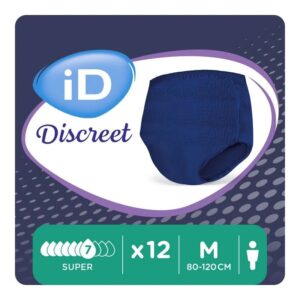 ΑΝΔΡΙΚΗ ΑΚΡΑΤΕΙΑ
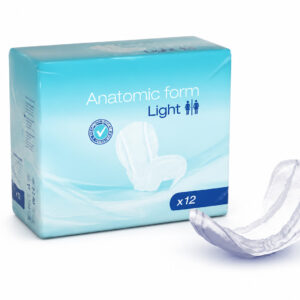 ΑΝΑΤΟΜΙΚΕΣ ΣΕΡΒΙΕΤΕΣ ΑΚΡΑΤΕΙΑΣ SAGOMATO
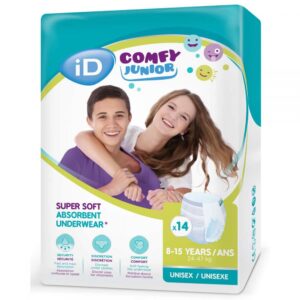 ΠΑΙΔΙΚΗ ΑΚΡΑΤΕΙΑ
 ΥΓΡΑ ΜΑΝΤΗΛΑΚΙΑ
 ΦΡΟΝΤΙΔΑ ΔΕΡΜΑΤΟΣ
 ΒΡΕΦΙΚΕΣ ΠΑΝΕΣ
 ΒΡΕΦΙΚΑ ΒΡΑΚΑΚΙΑ
 ΒΡΕΦΙΚΕΣ ΤΡΟΦΕΣ
 ΧΑΡΤΙ ΥΓΕΙΑΣ / ΧΑΡΤΟΠΕΤΣΕΤΕΣ / ΧΑΡΤΙ ΚΟΥΖΙΝΑΣ
 PET CARE - ΦΡΟΝΤΙΔΑ ΚΑΤΟΙΚΙΔΙΩΝ
 ΜΑΣΚΕΣ ΠΡΟΣΩΠΟΥ