
Most retail chains track cash discrepancies in lump sums: ‘closed €15 short today.’ That tells you something is wrong — not what, not when, not who. Denomination-level tracking — counting €50s, €20s, €10s separately — exposes patterns that lump-sum reports never show. This article walks through why lump-sum reporting fails, what denomination data actually reveals, where chains save money, and how the workflow integrates with myDATA e-invoicing for full revenue-loop closure.
The hidden cost of vague reporting
If your store is short €15 every Friday afternoon, lump-sum reporting tells you nothing actionable. But if the data shows it’s always two €5 notes and one €5 coin missing, you have a behavioural signal — probably a single cashier returning approximate change at peak hour to clear the queue. Denomination-level data exposes the pattern in the second week, not the third quarter.
Lump-sum tracking creates a worse problem too: it normalises ‘small’ discrepancies. €5 here, €10 there — accountants tag them as ’rounding’ and move on. Over a year, in a 9-store chain, that ’rounding’ aggregates to €8,000-€15,000 in unaccounted cash. Denomination tracking makes every euro visible, which changes the conversation from ‘tolerated noise’ to ‘identifiable signal’.
What cashproof captures per shift
For every shift close, cashproof records: cashier ID, store, timestamp (open + close), declared count per denomination, expected count from POS Z-report, delta per denomination, and notes from the cashier (e.g. ‘customer disputed change, see CCTV at 14:32’). Three months in, you have a heatmap of which denominations leak when, where, and via whom — without surveillance or accusation, just data.
📍 Διαθέσιμες περιοχές 2026
Άνοιξε CARESTORE στη γειτονιά σου
Δωρεάν Location Report για την περιοχή σου — δημογραφία, ανταγωνισμός, εκτίμηση τζίρου. Σε 48h. Χωρίς δέσμευση.
9 ενεργά καταστήματα · ROI 14-22 μήνες · Brand εμπιστοσύνης από το 2014
Αναζητούμε συνεργάτες σε: Ηράκλειο · Πάτρα · Θεσσαλονίκη · Βόλο · Καβάλα · Ρόδο · Τρίκαλα · Σέρρες · Κομοτηνή
The dashboard surfaces three view types: per-store trend (variance over time), per-cashier profile (whose shifts produce systematic deltas), and per-denomination heatmap (€5 coins vs €20 notes — different leakage causes). These three views together narrow root cause faster than any monthly cash audit ever could.
Where chains save money
- Time: 90% reduction in shift-close time — typically from 18-25 min down to 2-3 min.
- Loss: 0.3-0.7% of cash sales typically recovered in first quarter — for a chain doing €1.5M/year in cash sales, that’s €4,500-€10,500 recovered.
- Audit trail: bank deposits reconcile against shift closes automatically. No more Monday-morning ‘why is the deposit slip €30 off?’ calls between store managers and CFO.
- Insurance: documented loss patterns lower premiums in some EU markets — typically 5-12% off cash-handling insurance after 6 months of documented audit trail.
- Staff retention: cashiers stop being suspected of theft when the data clearly shows the discrepancy is structural (e.g. POS rounding, peak-hour change errors). Better workplace, less turnover.
Real numbers from the CARESTORES network
Across 9 CARESTORES locations over a 12-month rollout, denomination-level tracking surfaced three patterns nobody had noticed: (1) €2 coins systematically over-counted on Saturdays — traced to a coin-rolling habit that double-counted the partial roll. (2) €50 notes occasionally missing from one specific store on Mondays — traced to a shift handover where notes moved to the safe were not recorded. (3) €10 and €20 notes net-positive at one store — turned out cashier was rounding generously at peak hour, costing the store ~€600/year. All three were fixed within 4 weeks of being seen on the dashboard.
How it fits with myDATA & tax compliance
Cashproof exports daily totals that match the myDATA e-invoicing aggregates Greek retailers must file. Used together with tax2go.ai, the loop is closed: cash counted by denomination, sales reported on the POS, e-invoiced through myDATA, all reconciled in one workflow. If a daily mismatch appears (cash says €1,234, myDATA says €1,250), the system flags it inside 24h rather than at month-end VAT filing. For Greek retailers entering the second phase of myDATA in 2026, this real-time loop is no longer a nice-to-have.
Implementation: zero downtime
Most chains migrate to cashproof during a regular shift change — no closing, no IT project, no training week. The cashier downloads the app, the manager creates the store entry, and the first shift close happens that evening. By day three, the team is faster than the old paper-and-Excel process. By week two, the dashboard has enough data to start surfacing the first patterns.
Συχνές ερωτήσεις
Does it integrate with my POS?
Multi-currency?
Audit ready?
How long until first useful data?
See your cash discrepancies before they hide in monthly P&L
Δοκίμασε δωρεάν · χωρίς εγκατάσταση · κλείνεις βάρδια σε 2 λεπτά
Επίσης: tax2go.ai — Σύσταση IKE · myDATA · ΦΠΑ — όλα online σε 48h
Εξειδικευμένες πλατφόρμες του δικτύου EASYCARE: cashproof.app (κλείσιμο ταμείου) · tax2go.ai (φορολογικά) · carestores.gr (franchise καταστημάτων φροντίδας)
 ΠΑΝΕΣ-ΒΡΑΚΑΚΙ ΕΝΗΛΙΚΩΝ
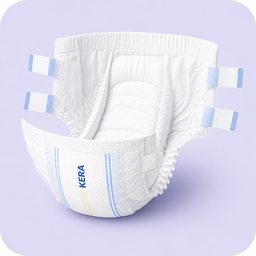 ΠΑΝΕΣ-ΣΛΙΠ ΕΝΗΛΙΚΩΝ
 ΥΠΟΣΕΝΤΟΝΑ
 ΓΥΝΑΙΚΕΙΑ ΑΚΡΑΤΕΙΑ
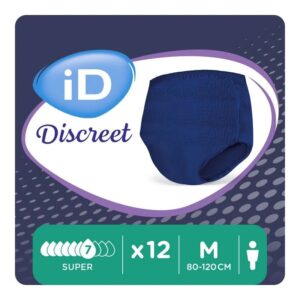 ΑΝΔΡΙΚΗ ΑΚΡΑΤΕΙΑ
 ΑΝΑΤΟΜΙΚΕΣ ΣΕΡΒΙΕΤΕΣ ΑΚΡΑΤΕΙΑΣ SAGOMATO
 ΠΑΙΔΙΚΗ ΑΚΡΑΤΕΙΑ
 ΥΓΡΑ ΜΑΝΤΗΛΑΚΙΑ
 ΦΡΟΝΤΙΔΑ ΔΕΡΜΑΤΟΣ
 ΒΡΕΦΙΚΕΣ ΠΑΝΕΣ
 ΒΡΕΦΙΚΑ ΒΡΑΚΑΚΙΑ
 ΒΡΕΦΙΚΕΣ ΤΡΟΦΕΣ
 ΧΑΡΤΙ ΥΓΕΙΑΣ / ΧΑΡΤΟΠΕΤΣΕΤΕΣ / ΧΑΡΤΙ ΚΟΥΖΙΝΑΣ
 PET CARE - ΦΡΟΝΤΙΔΑ ΚΑΤΟΙΚΙΔΙΩΝ
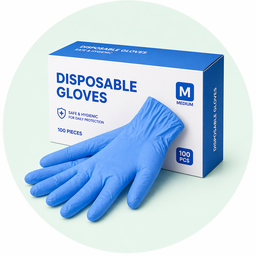 ΜΑΣΚΕΣ ΠΡΟΣΩΠΟΥ